An Overview of
Herbal Medicine
Summary
Herbal medicine is both a study of its own and a component of many alternative and complementary medical therapies.
It advocates the use of natural herbs and substances in the treatment of disease and the promotion of health.
Traditional medicine in many countries often uses various herbs and combinations of herbs in the treatment of
numerous conditions.
Herbal medicine, based on the use of plants and plant extracts for medical reasons, is
possibly one of the oldest of all medical disciplines. There is evidence that plants were used medicinally as
early as 60,000 years ago. There is also a great deal of evidence that suggests that many herbal remedies are
effective at treating the diseases for which they are prescribed. In fact, many of today’s drugs and over the
counter medications are plant-based.
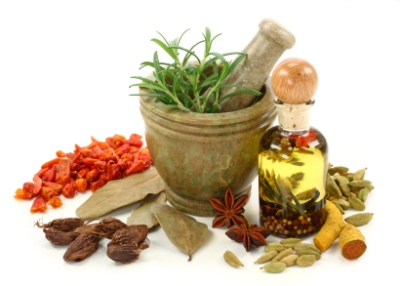
Herbal medicine is a major component of several alternative medical systems, including traditional Western folk
medicine, Traditional Chinese Medicine and Ayurveda Herbs. All of these alternative medicine practices may use
fresh, dried, powdered or crushed herbs. They may be used in extracts, teas, tinctures or as poultices or
compresses. Included in overviews of herbal medicine is the appropriate spicing of foods and beverages, the use of herbal teas to
treat disease and promote well-being and the use of herbs to disinfect, deodorize, heal and promote healing by
the body.
The Evidence In Favor
Plants contain many substances that have biological effects on the body. There have been many studies and trials of
various herbs used for medical purposes. The results of these studies vary by herb, but there are enough positives
to warrant further investigation into many of the traditional uses for herbs. Among the positives:
- While Echinacea did not prevent colds in two clinical trials, it did lessen the severity of the symptoms.
As a side note, those who took Echinacea during their first cold had significantly fewer colds during the rest
of the season.
- Black cohosh has been shown to be effective in relieving the symptoms of menopause and dysmenorrhea.
- Garlic lowers total cholesterol, reduces blood pressure and has antibacterial properties.
- Peppermint tea is effective in combating nausea.
- Chamomile tea induces relaxation and sleepiness.
These are just a few examples of many studies that prove the effectiveness of herbs in common use.
The Criticisms
Because herbal medicine is not standardized and regulated, there are concerns over safety. There is also a
misconception among many people that herbal treatments, being natural, have no harmful side effects. In fact, the
chemicals in most plants can be powerful toxins, may interfere with medications being taken for various medical
conditions, and may interact with each other in unexpected ways. Physicians and even herbalists warn that the
indiscriminate use of herbal medicines can lead to poisoning and serious damage to the body’s organs and systems,
as evidenced by the deaths attributed to ephedra.
Because of this, it's strongly recommended that anyone choosing to use herbal medicine be under the care of a knowledgeable herbalist and inform all their medical
practitioners of any herbs and other medications they may be taking.
More Herbal Articles
|